Interior photography is a rapidly growing niche that requires more than just a camera and a good eye, it demands a genuine understanding of lighting, composition, and the ability to translate a three-dimensional design into a two-dimensional image that tells a story. Whether I’m photographing a cozy apartment or a sprawling commercial office, my goal is always the same: to highlight the beauty, functionality, and unique character of each interior.
In this blog, I’d like to walk you through the fundamentals of interior photography, what it involves, why it matters, and how a skilled interior photographer can bring a designer’s vision to life.
Understanding the Role of an Interior Photographer
At its core, interior photography focuses on showcasing the interior spaces of buildings, from intimate residential homes to expansive commercial complexes. My primary responsibility is to capture every detail that defines a space by emphasizing the design elements, architectural features, and overall ambiance. These images frequently appear in editorial publications, marketing materials, advertising campaigns, and social media, making them a powerful tool for architects, real estate agents, hospitality groups, and design businesses.
I work closely with clients/homeowners, interior designers, or corporate teams to understand their creative vision. By aligning on goals, style, and key features to highlight, I can plan the approach to composition, lighting, and styling. This collaboration ensures that the final images convey the intended story and atmosphere of the space.
Mastering Light and Composition
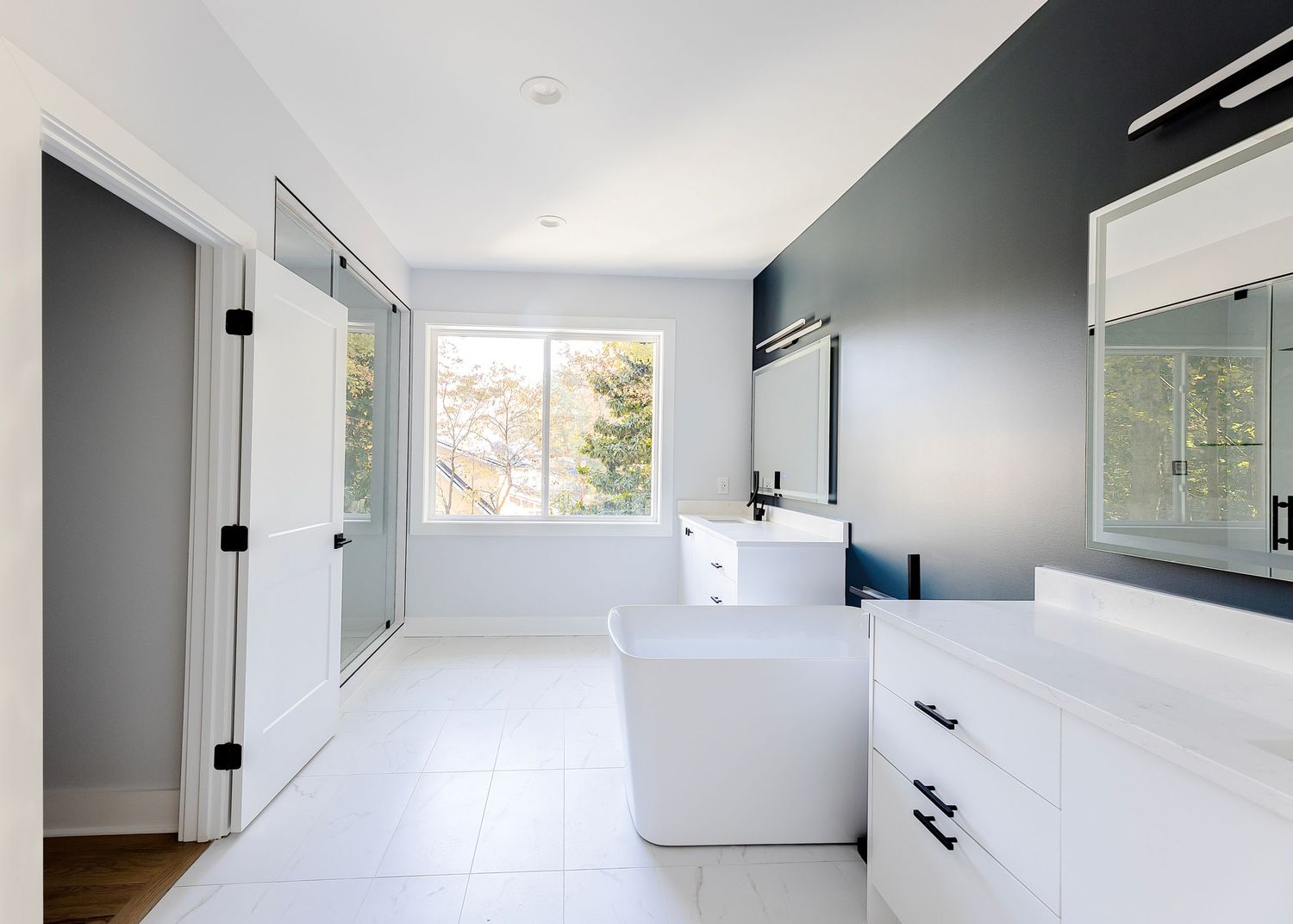
One of the most critical aspects of interior photography is lighting. Natural light is often my best friend, but it isn’t always perfect or consistent. When that’s the case, I’ll incorporate artificial lighting techniques or a combination of both. By carefully balancing these light sources, I can create an inviting mood that enhances the space’s design and functionality.
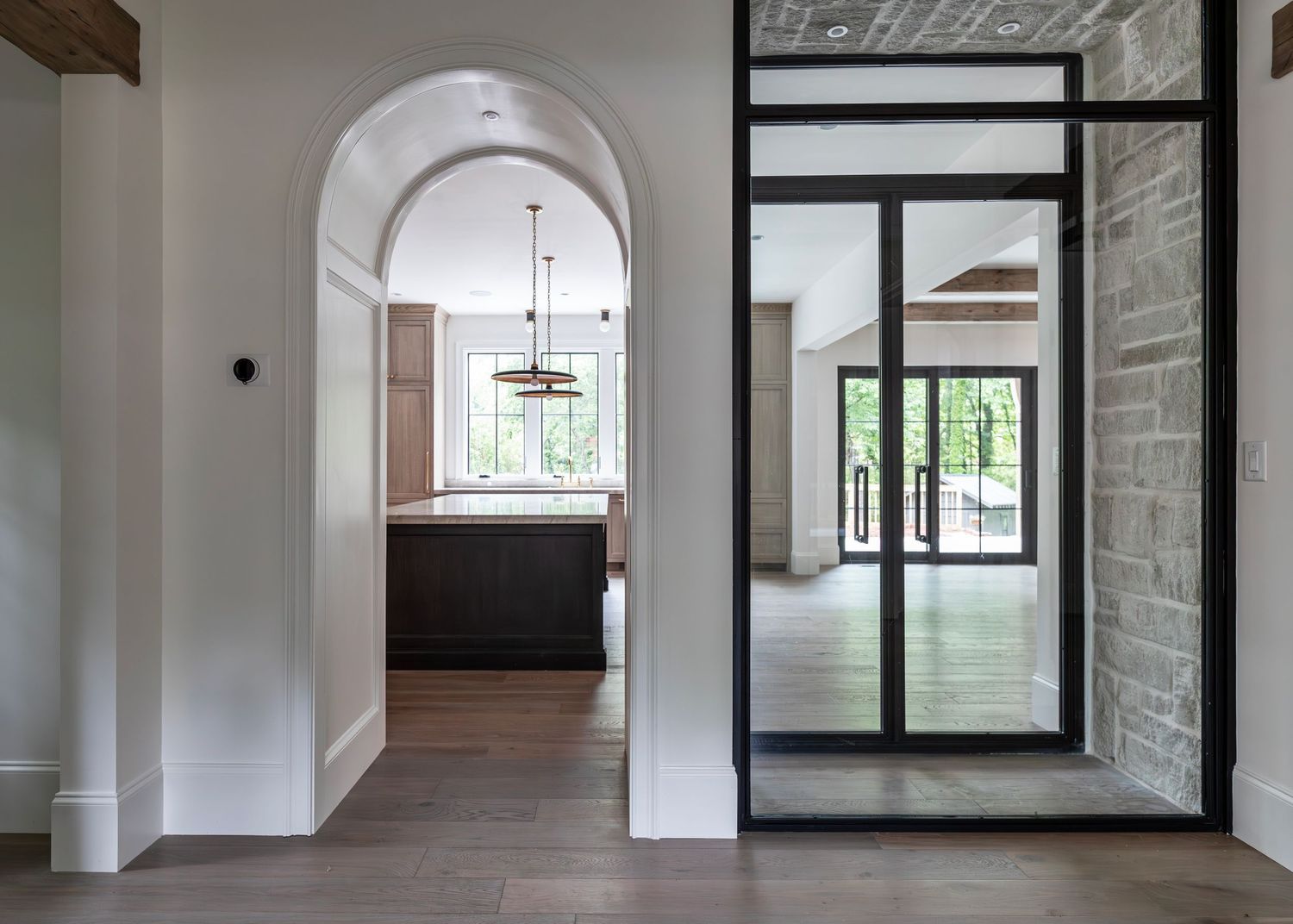
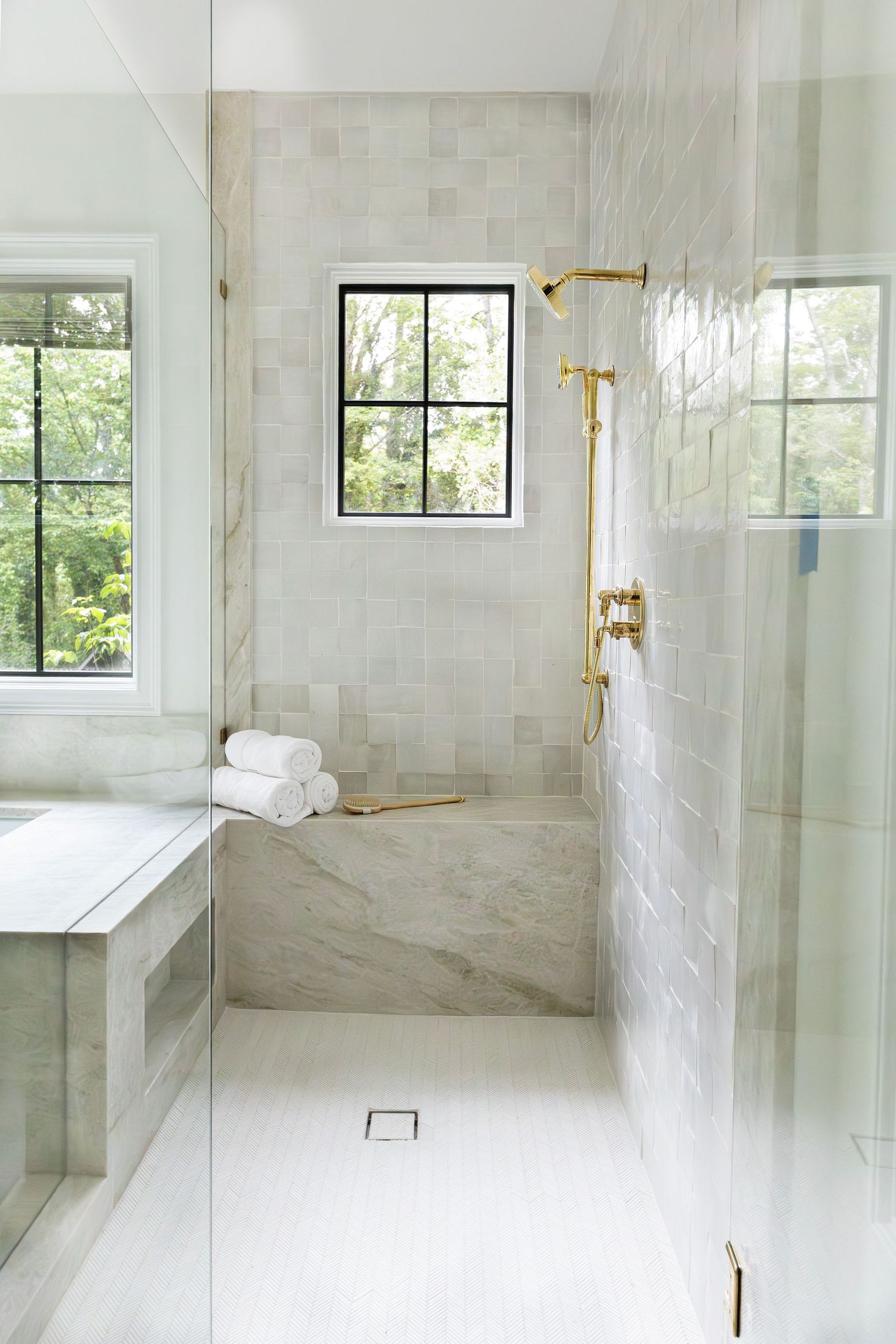
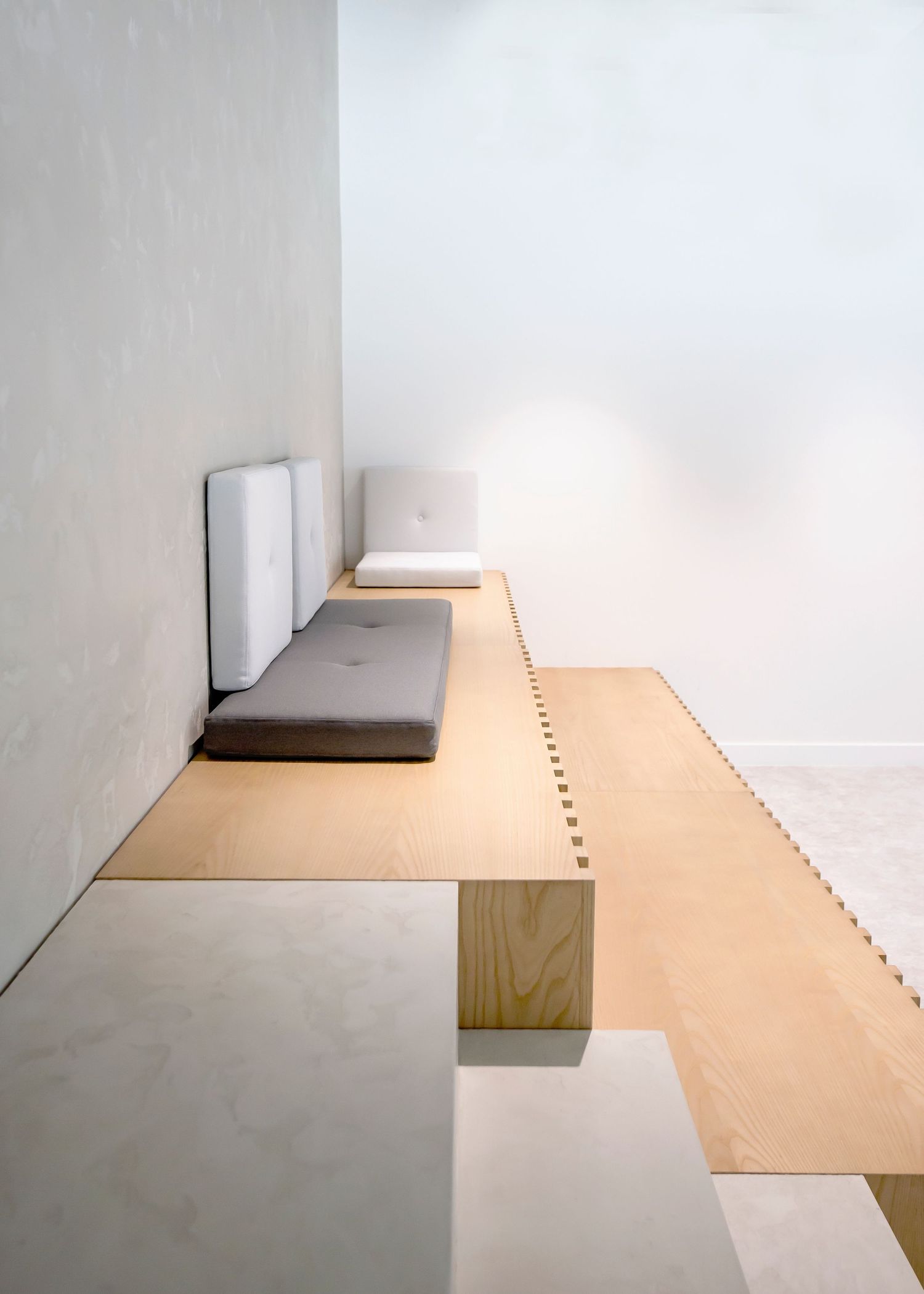
Composition is equally important. Through the careful use of angles, lines, and focal points, I highlight a room’s best features and selling points. A strong composition can draw the viewer’s eye to a unique architectural detail or a striking piece of furniture, ultimately creating a sense of balance and harmony within the frame.
Styling for the Camera
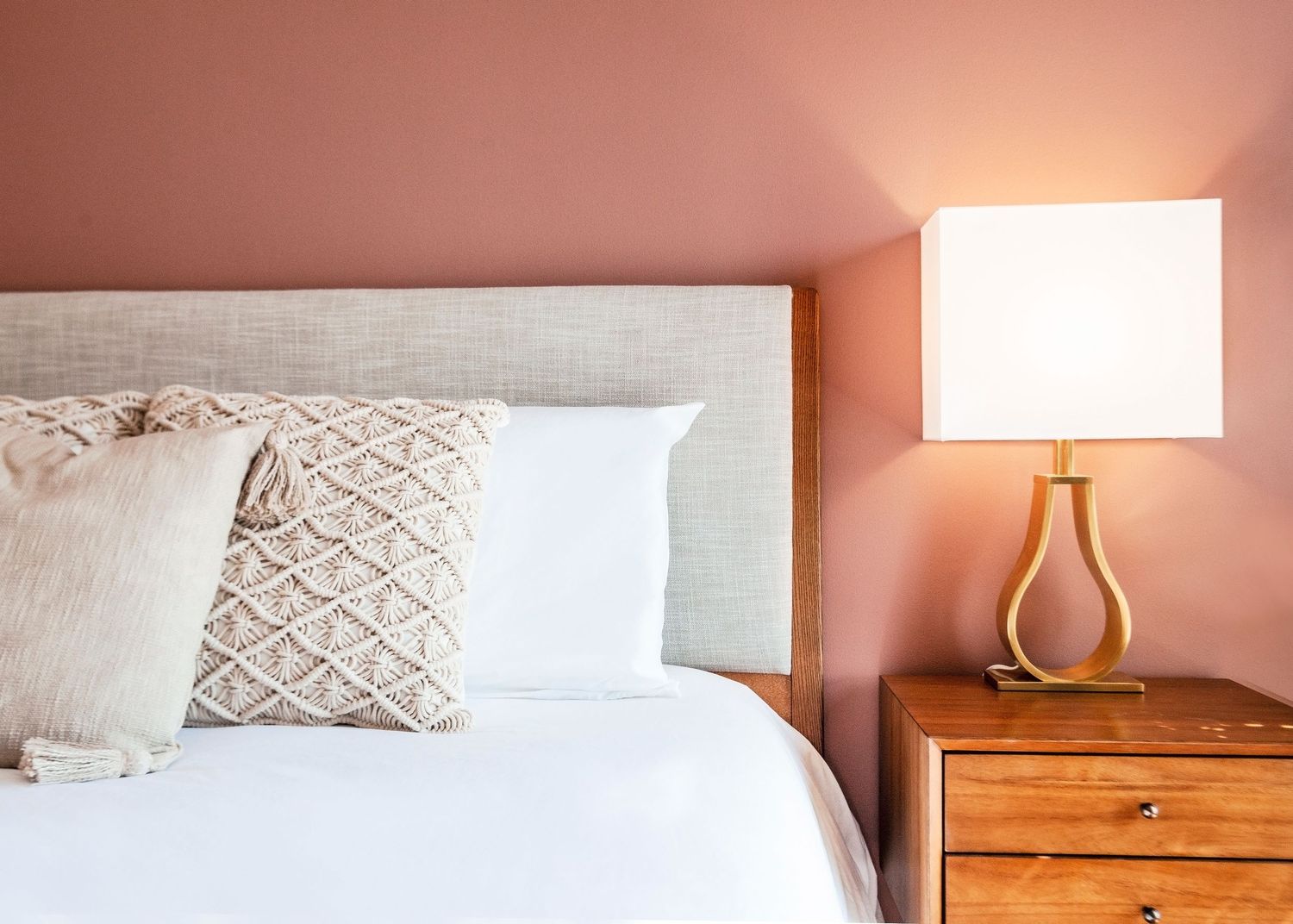
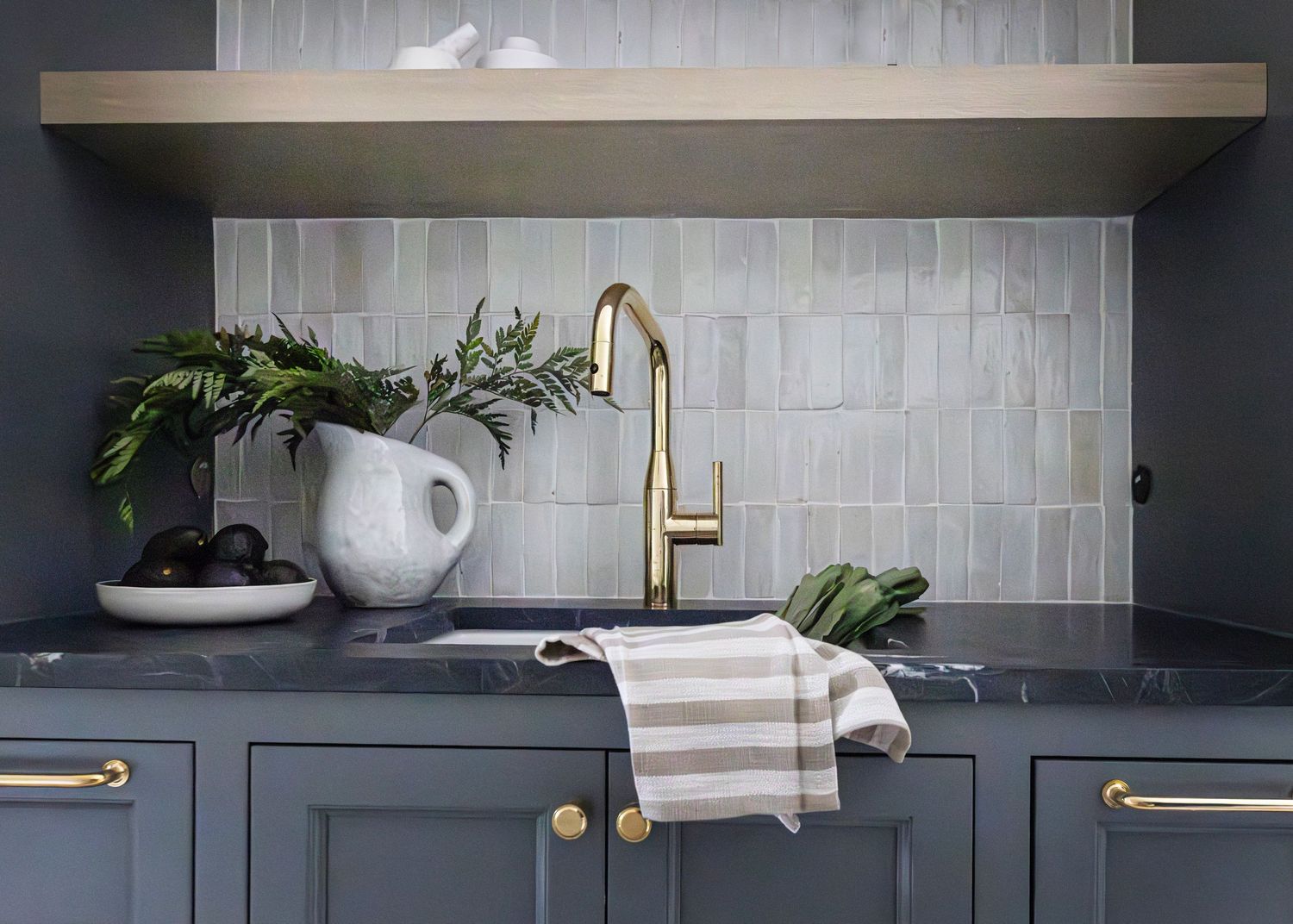
Styling a space for a photo shoot is different from arranging it for everyday living. While the fundamental principles of weight, color, and texture still apply, I often make subtle adjustments like repositioning furniture, adding or removing décor, and introducing lifestyle elements to achieve a visually appealing and authentic look.
Creative, “lived-in” styling can enhance the overall mood and inspire viewers by showing how the space might function in real life. This approach bridges the gap between functionality and aesthetics, helping clients envision themselves enjoying the space.
Showcasing Your Work and Elevating Your Brand
Interior photography plays a pivotal role in marketing and publicity. High-quality, thoughtfully composed images can:
- Elevate Your Portfolio: Impress prospective clients with polished visuals that demonstrate your design expertise.
- Attract Ideal Clients: Beautiful images help you stand out, connecting you with the right audience for your services.
- Secure Press Features: Publications often look for compelling photography to accompany editorial content.
- Boost Social Media Presence: Eye-catching images are more likely to be shared and engaged with online, increasing your visibility.
By capturing the right angles, lighting, and details, we effectively communicate a project’s essence to the world.
Conclusion
Interior photography is about more than just snapping pictures of rooms; it’s about telling the story of a space through careful composition, expert lighting, and strategic styling. By collaborating closely with clients, understanding their vision, and applying a refined skill set, an interior photographer can create images that showcase the full potential of a design.
Whether you’re an architect looking to highlight your latest commercial build, a real estate agent seeking to attract discerning buyers, or an interior designer eager to share your portfolio, investing in professional interior photography is one of the most impactful ways to elevate your work, connect with your audience, and ultimately achieve greater success in your field.
Special thanks to the amazing designers featured in this article as listed below.
